Atlas
Diaspora mentorship platform · Kigali, Rwanda
No sign-up needed: the demo lets you explore as a pre-filled user.
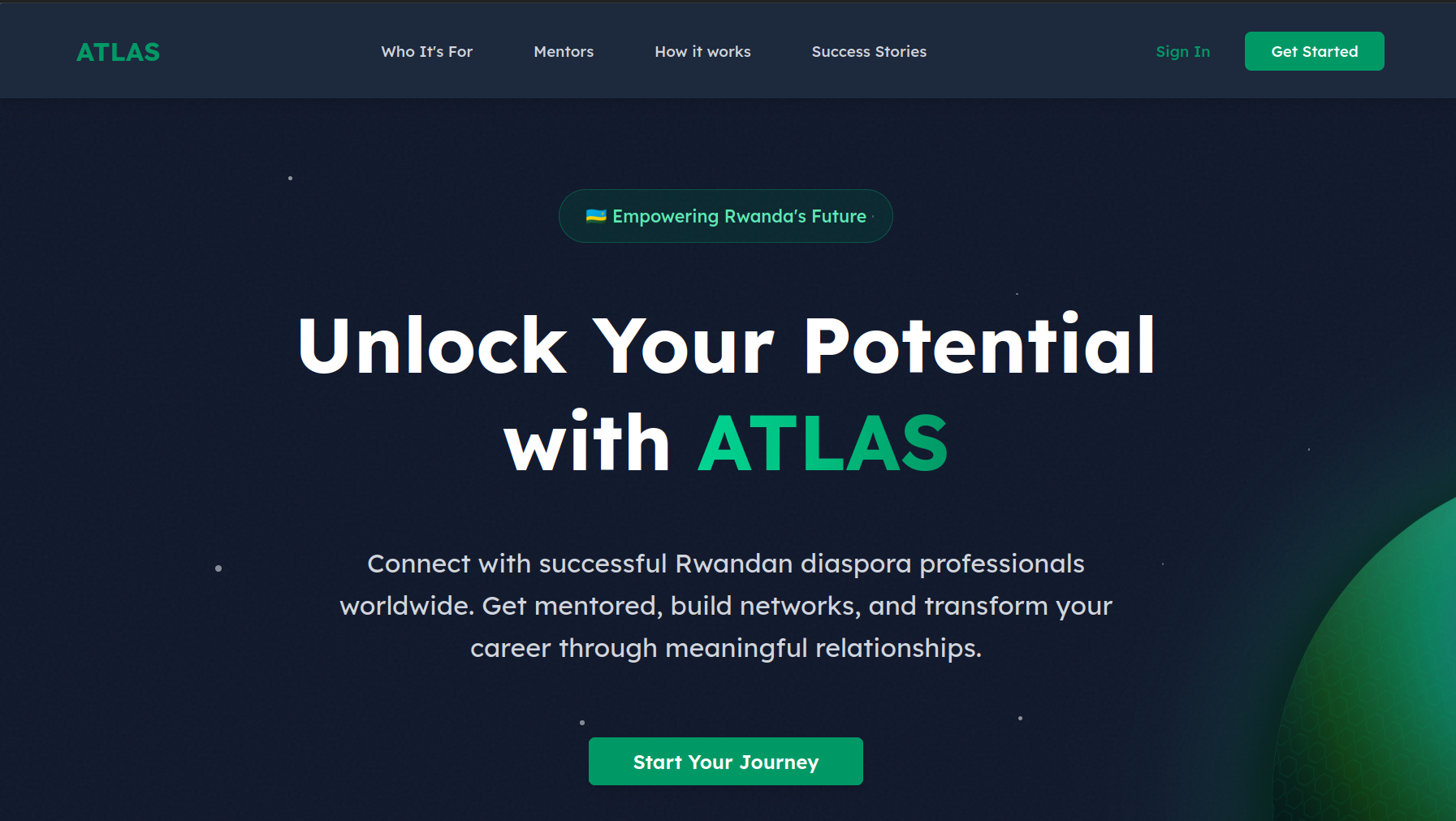
The Challenge
We were one of 32 teams that participated in the Code2Unlock Hackathon, a multi-week sprint run by Code2Unlock Skills & Jobs in Kigali. Our team picked up Challenge 2, posed by SolvitAfrica:
“How might we design a sustainable, inclusive, tech-enabled bridge between diaspora professionals and youth to foster job readiness and meaningful employment?”
— SolvitAfrica, Code2Unlock Hackathon 2025
The Problem
Many educated Rwandan youth lack mentorship, global perspectives, and career readiness tools. At the same time, the diaspora holds valuable expertise and networks, and a genuine eagerness to contribute to national development, but this resource is unstructured and untapped.
The gap between these two groups is not a lack of willingness on either side. It's a lack of infrastructure. Atlas was our answer.
The Sprint
This wasn't a 48-hour hackathon. Code2Unlock ran over nearly four weeks, with multiple structured phases:
Aug 25 · Kickoff
32 teams. Deep dive into the challenges. SolvitAfrica presents Challenge 2: Unlocking Diaspora Potential.
Aug 26 – Sept 11 · Build Phase
Ask, listen, build. Coaching sessions and online Q&As.
Sept 11 · Selection Day: The Gate
First pitch and prototype. 7 of 32 teams selected to continue. We made the cut.
Sept 14–18 · Crunch Week
Masterclasses, review sessions, and hands-on guidance from mentors. Refine the code, perfect the pitch.
Sept 19 · Graduation Day
Final pitch to a panel of judges and challenge owners. Prize ceremony.
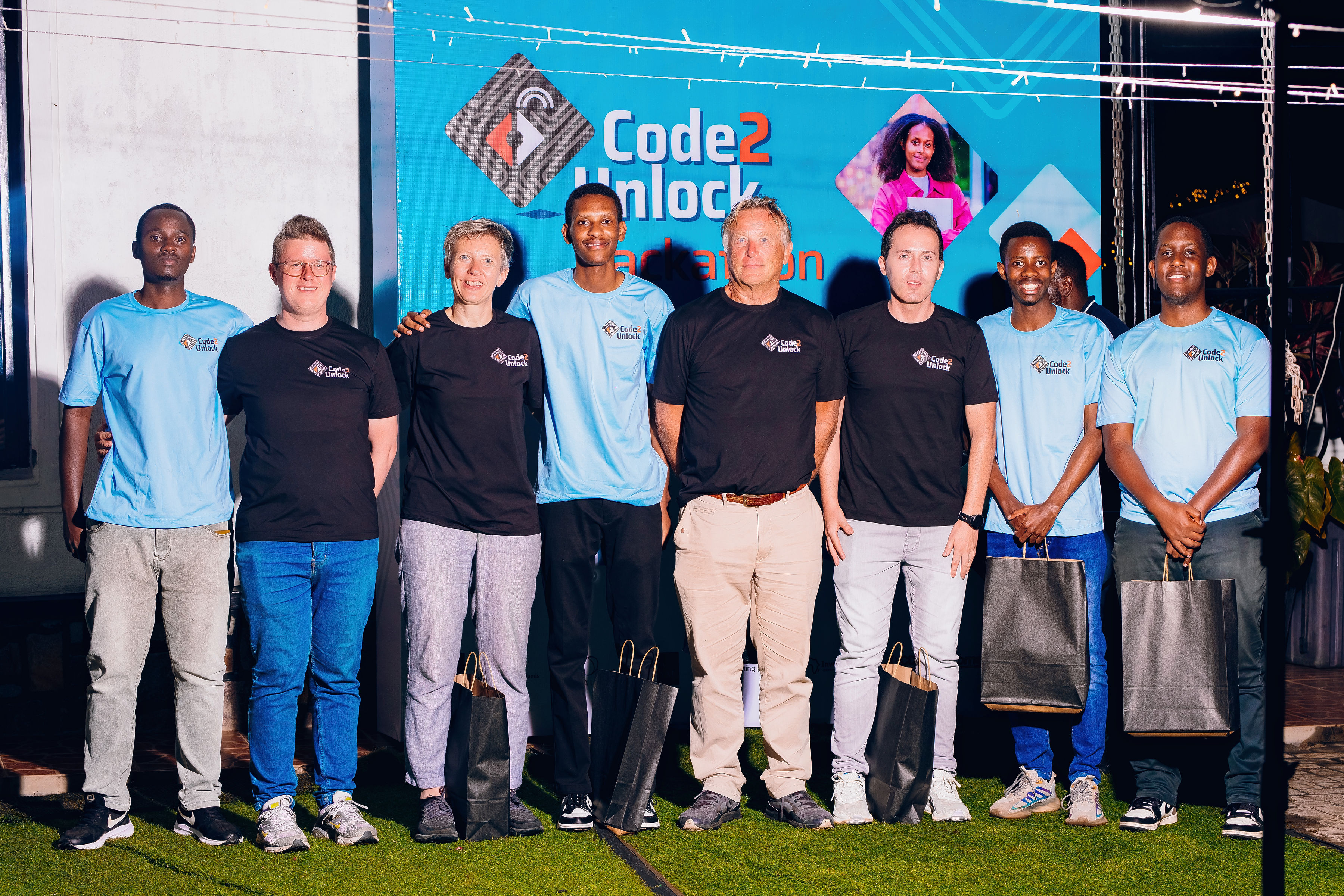
My Role
I was the frontend developer on a team of four. My focus was building and polishing the user interface, translating the product vision into screens that felt intuitive and trustworthy enough to pitch to a panel of judges under pressure.
What I Built
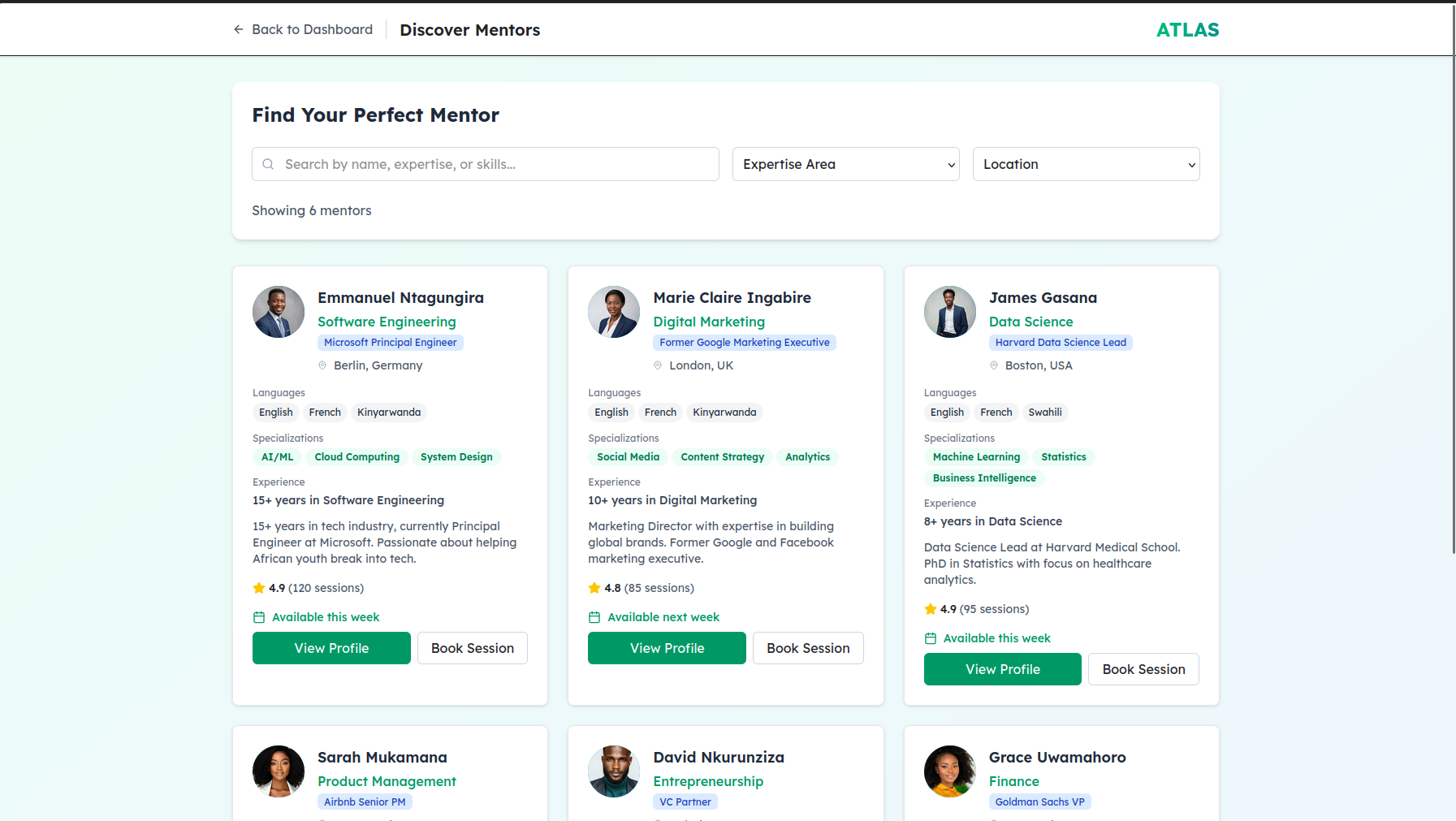
- Mentor discovery and profile browsing UI
- Mentorship connection and request flows
- Onboarding experience for both mentors and mentees
- Profile pages for diaspora professionals
- Overall component architecture and styling with Tailwind
Tech Stack
- React & TypeScript: component-based frontend
- Tailwind CSS: utility-first styling
- Prisma: backend ORM (handled by teammates)
- Supabase: database & auth on the full version
The Result
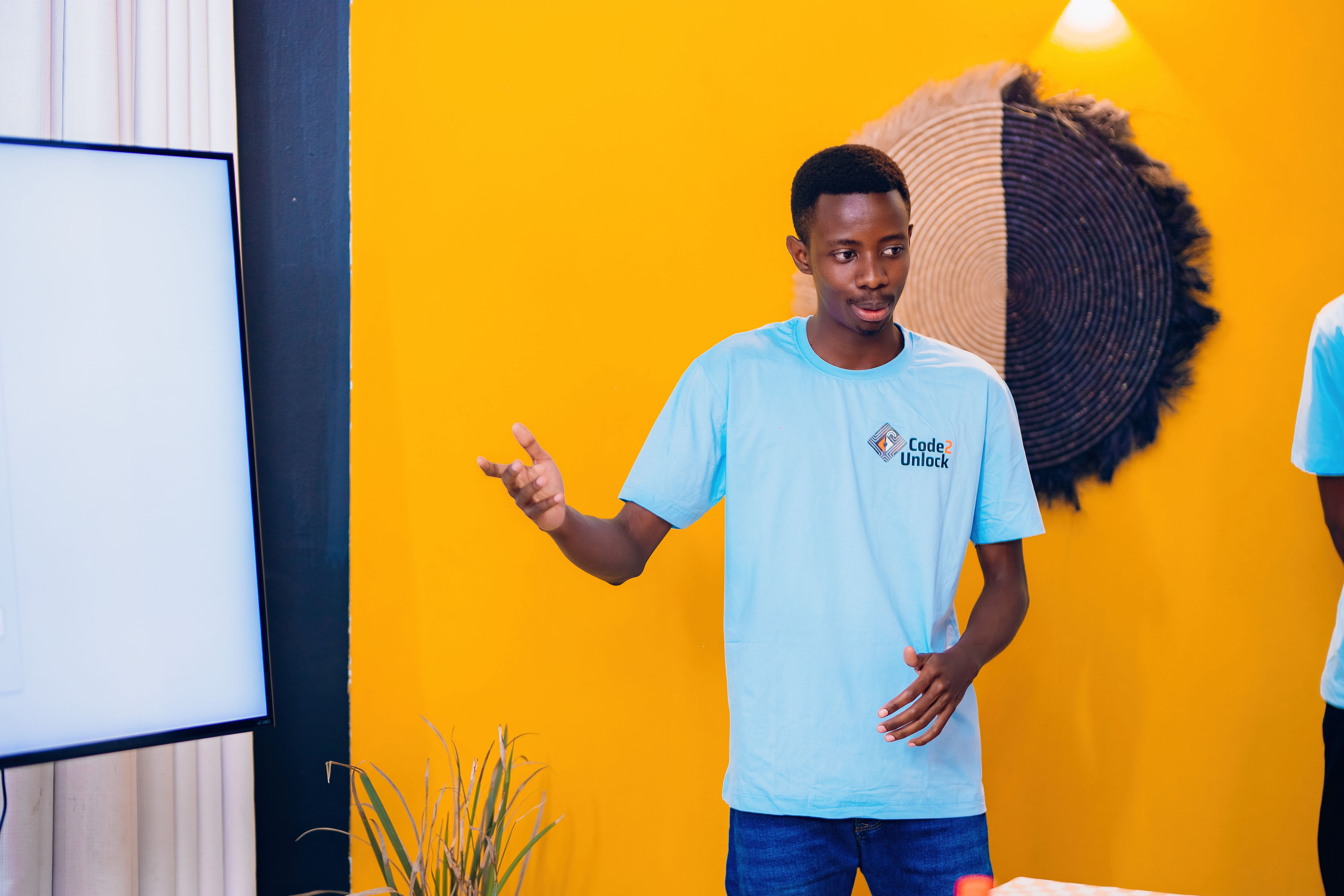
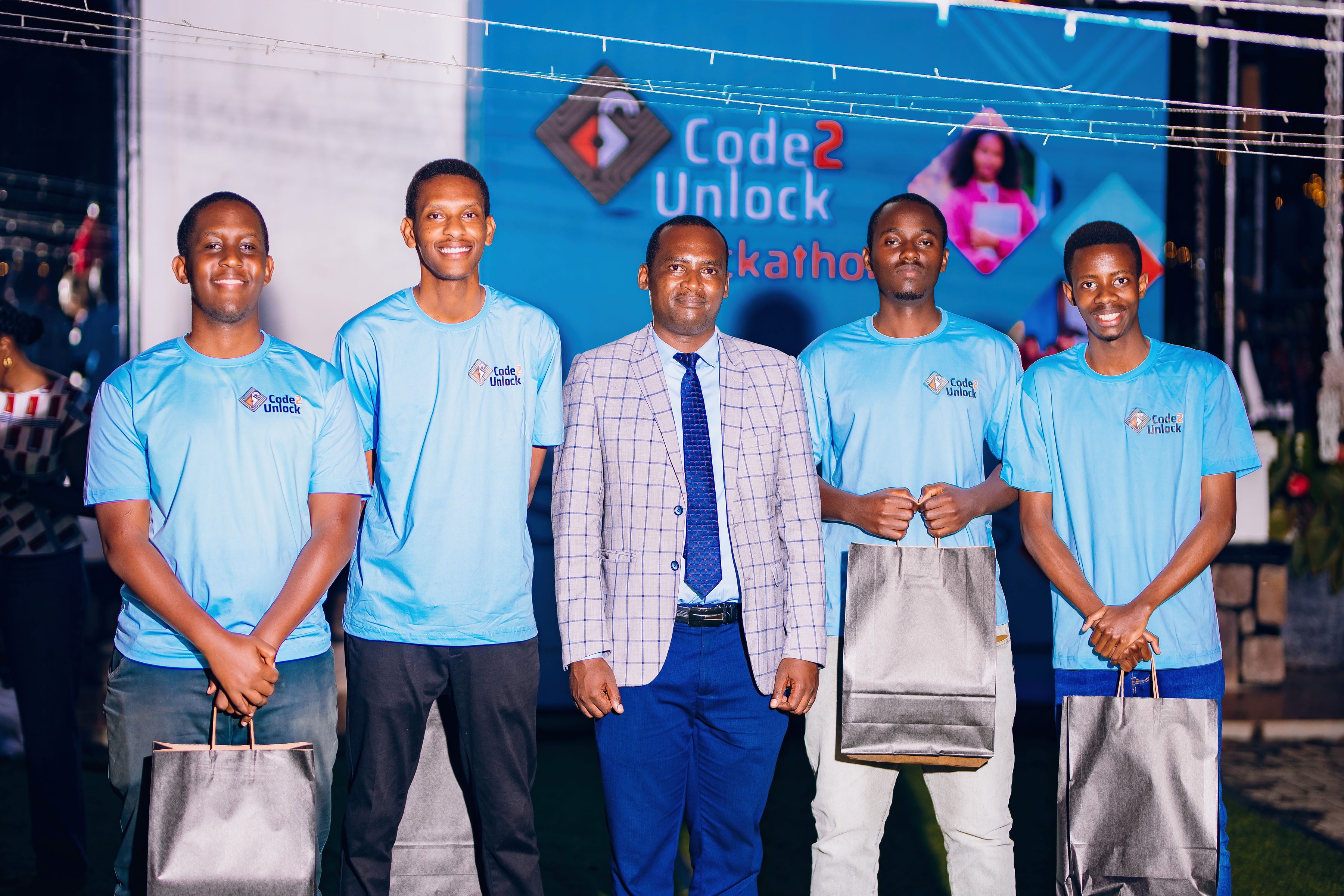
On September 19th (Graduation Day) we pitched Atlas to a panel of judges and challenge owners at The Gym, Kigali. Out of 7 finalists (chosen from 32 teams), we placed 2nd.
After the Hackathon
Like many hackathon projects, Atlas slowed down after the energy of the sprint faded. The Supabase free tier for the full version eventually ran out, and the team moved on to other commitments.
What's live at atlasc2u.vercel.app is a demo version pre-filled with mock data, enough to explore the concept and flows, but features like messaging and session booking are intentionally non-functional. It's a prototype, preserved as a record of what we built and presented.
What I Learned
Building Atlas was the first time I worked on a product with a genuinely meaningful mission, not just a technical exercise. That changes how you make decisions. You start asking “does this flow feel trustworthy?” rather than just “does this code work?”
The multi-week format also taught me that real product work is iterative. The prototype we pitched on Sept 19th was meaningfully different from what we had on Sept 11th, not because we added features, but because we kept refining until it felt right.